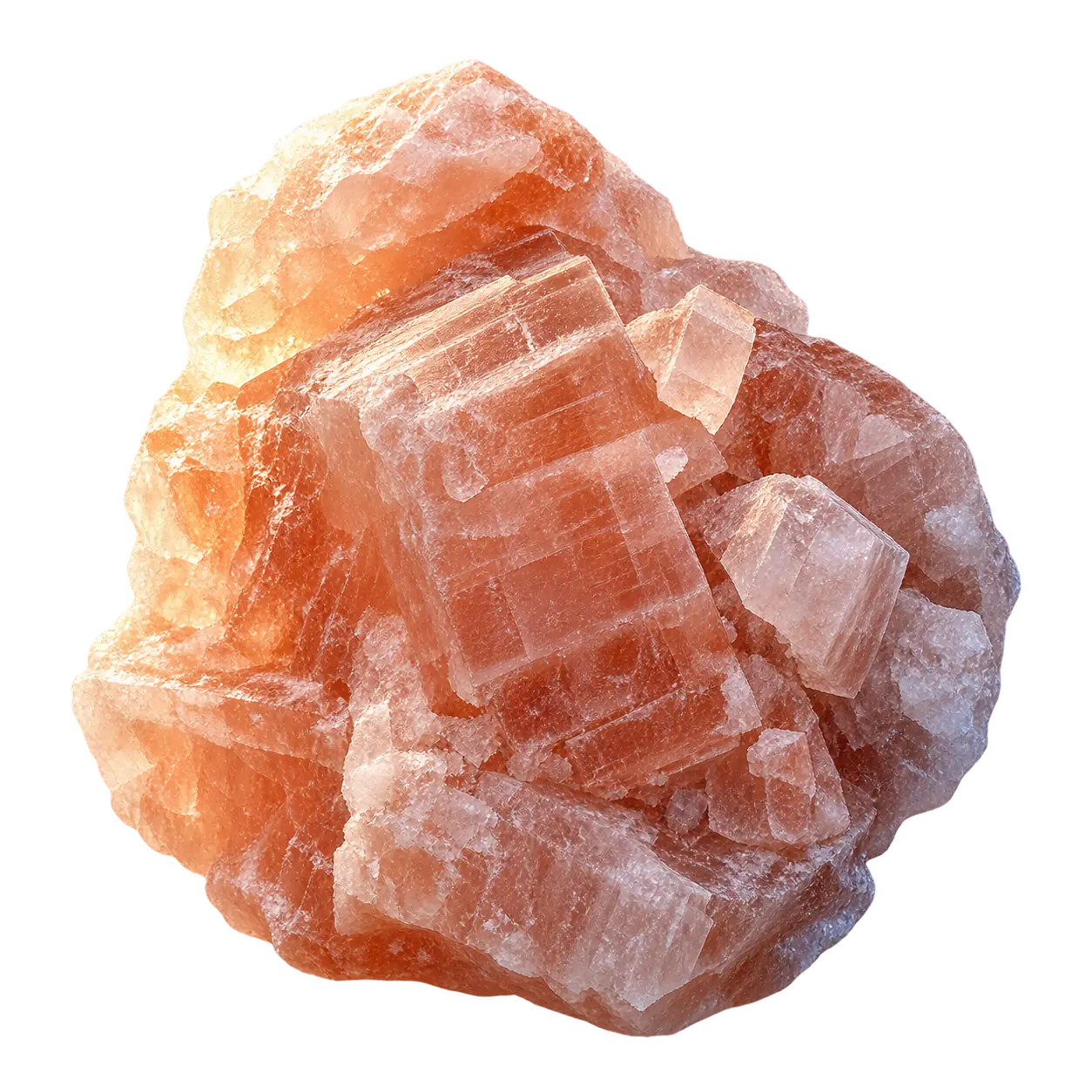
Fine Himalayan pink salt
Smaller particles commonly selected for table salt, seasoning blends, foodservice packs and general culinary use.
 Crystal HarvestIntl
PRODUCT & GRADE GUIDE
A buyer-ready salt specification should identify more than a product name. This guide explains how grain, colour, application and packaging work together when sourcing Himalayan pink salt commercially.
01 / Commercial guidance
Terms such as fine, coarse, powder and granules are useful for discovery, but buyers should not rely on the label alone. Particle-size ranges can differ among suppliers and applications. A quotation should tie the commercial name to an agreed sample or written specification.
Smaller particles commonly selected for table salt, seasoning blends, foodservice packs and general culinary use.
Larger crystals commonly selected for grinders, refills, visual presentation and selected processing uses.
Useful descriptions for buyer discussion, but the final particle-size range should be documented rather than assumed.
02 / Commercial guidance
Natural salt can vary from lighter pink to darker pink. Dark pink is often selected for its appearance in clear jars or pouches. Colour alone does not define food grade, purity, particle size or suitability for a particular application.
Often chosen where buyers want a familiar natural pink appearance across culinary formats.
Often chosen for strong shelf presentation or a deeper visual profile.
A reference sample and agreed tolerance help commercial buyers align appearance across production lots.
03 / Commercial guidance
A useful RFQ states the destination country, product application, required grain or sample reference, colour preference, packaging format, net weight, order quantity and any required documents. Crystal Harvest Intl uses these details to define the next commercial step.
Retail, foodservice, food manufacturing, grinder refill or another stated use.
PET jar, pouch, bag, bulk format or a buyer-proposed configuration.
Cartons, pallet plan or container-level requirement, depending on the programme.
Buyer questions
Fine salt has smaller particles, while coarse salt has larger crystals. The exact range should be agreed in the product specification.
Colour should not be used as a stand-alone purity measure. Product documentation and agreed specifications are the appropriate basis for evaluation.
Yes. Grain and pack format can be discussed together for retail and private-label enquiries.
A sample or approved reference can help align grain, colour and pack presentation before a commercial order.
Include destination, port, product or grain, packaging, estimated quantity, application and private-label requirements.